
Ice Dams in Connecticut: Customer Tips to Help Prevent Damage
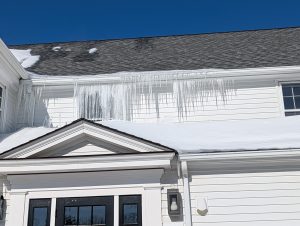
Winter in Connecticut brings snow, ice, and freezing temperatures—and with them, a common but costly homeowner problem: ice dams. At Page Insurance, we see ice dam claims every winter, and most of them are preventable. A little knowledge and early action can go a long way toward avoiding water damage, mold, and insurance claims.
What Is an Ice Dam?
An ice dam forms when snow on your roof melts due to heat escaping from the home, then refreezes at the colder roof edges (typically near the gutters). As this ice builds up, it traps melting snow behind it. That trapped water can back up under shingles and leak into your home.
Why Ice Dams Are a Serious Issue in Connecticut
Connecticut’s frequent freeze–thaw cycles make ice dams especially common. Damage often appears as:
- Water stains on ceilings or walls
- Peeling paint or bubbling drywall
- Wet insulation and mold growth
- Damage to roofs, gutters, and fascia
Many homeowners don’t notice the problem until water shows up inside—when repairs are already expensive.
Customer Tips to Help Prevent Ice Dams
Here are proven, prevention-focused steps Connecticut homeowners can take:
1. Upgrade Attic Insulation
Uneven or inadequate attic insulation allows heat to escape, warming the roof surface and melting snow.
Connecticut Tip: Make sure insulation meets recommended R-values for New England climates and is evenly distributed.
2. Seal Air Leaks
Warm air leaking through attic hatches, recessed lights, plumbing vents, and bathroom fans accelerates ice dam formation.
Connecticut Tip: Air sealing is one of the most cost-effective improvements you can make—and it reduces heating costs, too.
3. Improve Attic Ventilation
Proper ventilation keeps roof temperatures consistent, reducing the melt-and-refreeze cycle that causes ice dams.
Connecticut Tip: Ensure soffit and ridge vents are clear and not blocked by insulation or snow.
4. Remove Snow Safely After Heavy Storms
Heavy snow accumulation increases the risk of ice dams, especially after large Connecticut snowstorms.
Connecticut Tip: Use a roof rake to clear snow from the first few feet of your roof. Never climb onto an icy roof.
5. Keep Gutters Clear Before Winter
Clogged gutters trap water, allowing ice to build up faster and worsen backup issues.
Connecticut Tip: Clean gutters in late fall and check them when weather conditions are safe.
6. Avoid Temporary or DIY Ice Removal Methods
Chipping ice or using salt can damage shingles, gutters, and roofing materials.
Connecticut Tip: If ice dams are recurring, consult a licensed Connecticut roofer experienced in ice dam prevention—not just removal.
How Homeowners Insurance Typically Responds
Most Connecticut homeowners insurance policies cover sudden and accidental water damage, including damage caused by ice dams. However, insurance does not cover:
- Ongoing maintenance issues
- Pre-existing damage
- Long-term wear and tear
That’s why prevention matters. The best claim is the one you never have to file.
A Claims-Prevention Mindset Matters
At Page Insurance, our goal isn’t just to help with claims—it’s to help you avoid them in the first place. Ice dams are a perfect example of how small, proactive steps can protect your home and reduce stress during the winter months.
Have Questions About Ice Dams or Your Coverage?
If you notice early signs of ice dam activity or want to review how your homeowners policy would respond, we’re happy to help.
Page Insurance
Your local Connecticut insurance resource—focused on prevention, protection, and long-term peace of mind.
A quick conversation today can prevent a costly repair tomorrow.