
Driving for Uber, DoorDash, or Instacart? Your Personal Auto Insurance May Not Cover You
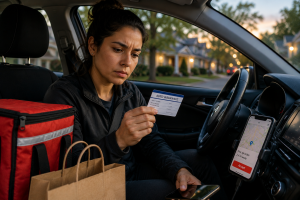
Connecticut Drivers Need to Understand the Insurance Gap
Driving for Uber, Lyft, DoorDash, Grubhub, Instacart, or other delivery services can be a great way to earn extra income. But many Connecticut drivers are surprised to learn that their personal auto insurance policy may not provide coverage while they are working.
If you’re using your vehicle to transport passengers, deliver food, groceries, packages, or other goods, you may have a significant insurance gap unless you have the proper coverage in place.
Why Personal Auto Insurance May Not Be Enough
Most personal auto insurance policies are designed for personal use only. Insurance companies generally exclude coverage when a vehicle is being used for commercial purposes or for a fee.
That means if you’re involved in an accident while:
- Logged into the Uber or Lyft app
- Waiting for a ride request
- Picking up or transporting passengers
- Delivering food for DoorDash, Grubhub, or Uber Eats
- Delivering groceries for Instacart
- Delivering packages for services such as Amazon Flex
your personal auto insurance company could deny coverage if you do not have the appropriate endorsement or policy.
Doesn’t Uber or DoorDash Provide Insurance?
Yes—but it’s important to understand when that coverage applies and what it covers.
Transportation Network Companies (TNCs) such as Uber and Lyft provide certain insurance protections during specific periods of operation. Delivery companies may also provide limited coverage.
However:
- Coverage varies by company.
- Deductibles can be very high.
- Physical damage coverage may be limited.
- There can be gaps between your personal policy and the company’s coverage.
- Not all delivery platforms provide the same level of protection.
Many drivers mistakenly assume they are fully covered at all times, only to discover coverage limitations after an accident.
What Is Rideshare or Delivery Driver Coverage?
Many insurance companies offer a rideshare endorsement or delivery driver endorsement that can be added to your personal auto policy.
These endorsements are designed to bridge the gap between personal and commercial use and can provide protection while you’re logged into an app and available for work.
Coverage options vary by carrier, so it’s important to review your specific situation with an insurance professional.
Connecticut Drivers Should Review Their Coverage Before They Start Driving
Whether you’re driving full-time or simply earning extra money on weekends, the right insurance coverage can help protect you from potentially costly surprises.
Before driving for any rideshare or delivery platform, ask:
- Does my insurance company allow rideshare activities?
- Do I need a rideshare endorsement?
- Am I covered while waiting for a ride request?
- Am I covered while delivering food or packages?
- What deductibles apply if I have an accident?
Don’t Wait Until After an Accident
One of the most difficult conversations we have is with drivers who discover after a claim that they didn’t have the proper coverage in place.
If you’re driving for Uber, Lyft, DoorDash, Grubhub, Instacart, Amazon Flex, or similar services in Connecticut, it’s worth taking a few minutes to review your coverage before you hit the road.
At Page Insurance, we can help Connecticut drivers understand their options and make sure there are no surprises if an accident occurs.
Need Help Reviewing Your Coverage?
Contact Page Insurance today for a complimentary insurance review. We’ll help you determine whether your current auto policy is appropriate for your rideshare or delivery activities and identify any coverage gaps that may exist.